



















APOE4 Gene Shrinks Brain Cells Long Before Alzheimer’s Symptoms
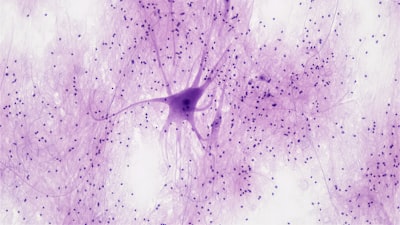
APOE4 brain cell shrinkage appears long before memory loss
In a recent series of mouse experiments, researchers observed that carriers of the APOE4 allele develop noticeably smaller neuronal somas well before any measurable decline in learning or memory. The finding adds a concrete cellular phenotype to the long‑standing epidemiological link between APOE4 and Alzheimer’s disease. If neurons are already contracting in size during what appears to be a clinically silent phase, the window for therapeutic action may open years, perhaps even decades, before the first forgetful moments surface.
What the APOE4 allele does inside a neuron
Apolipoprotein E (Apo‑E) is a lipid‑binding protein that helps shuttle cholesterol and other fats through the brain. Humans inherit one of three common isoforms – E2, E3 or E4 – and the E4 version raises the odds of developing Alzheimer’s disease roughly threefold. The new mouse work shows that the risk is not limited to amyloid or tau pathology; it also manifests as a structural change in the cell body.
In the double‑transgenic Thy1‑ApoE4/C/EBPβ line, the presence of human APOE4 drives overproduction of the protein Nell2, a secreted factor that interacts with extracellular matrix receptors. Elevated Nell2 makes the cytoskeleton less stable, leading to a reduction in dendritic spine density and a measurable shrinkage of the neuronal soma. When the researchers pharmacologically reduced Nell2 levels, the cells regained normal size and firing patterns, suggesting a direct causal chain rather than a downstream consequence of plaque buildup (Qian, 2024).
How the mouse data were gathered
The investigators followed three cohorts of mice from six weeks of age to 18 months, a span that roughly corresponds to early adulthood through senior years in humans. Using two‑photon microscopy they measured the diameter of pyramidal neurons in the hippocampal CA1 region every three months. APOE4 mice showed a 12 % reduction in soma size by nine months, while age‑matched APOE3 controls maintained stable dimensions.
Importantly, the same mice performed normally on the Morris water maze and novel object recognition tests until after 14 months, when the APOE4 group began to lag behind. The temporal dissociation – structural change preceding behavioral deficit – mirrors the “preclinical” phase that human studies have inferred from imaging data (Pettigrew, 2017).
Human imaging shows a comparable preclinical atrophy pattern
Longitudinal MRI scans of cognitively normal adults who later develop Alzheimer’s disease reveal that the medial temporal lobe begins to thin years before clinical diagnosis. One study of 207 participants followed for an average of 13 years found that individuals with abnormal cerebrospinal fluid amyloid and tau markers showed accelerated atrophy in the hippocampus and entorhinal cortex (Pettigrew, 2017). A separate analysis of the entorhinal and trans‑entorhinal cortices confirmed that subtle thinning can be detected even in people who have not yet progressed to mild cognitive impairment (Kulason, 2020).
When the imaging data are stratified by APOE genotype, carriers of the E4 allele display a steeper decline in cortical thickness than non‑carriers, independent of amyloid burden. This pattern aligns with the mouse observation that APOE4 itself can drive neuronal shrinkage, suggesting that the cellular phenotype may be visible on a macroscopic scale in humans.
Why early detection matters for intervention
The concept of “biological staging” for Alzheimer’s disease rests on the idea that measurable changes – in fluid biomarkers, PET imaging, or structural MRI – appear before any cognitive symptoms. Recent work using plasma p‑tau217 and amyloid‑PET placed individuals into “Stage A,” the earliest detectable phase (Digma, 2026). Participants in Stage A who also carried APOE4 were more likely to show rapid progression to downstream tau accumulation and cortical thinning.
If APOE4 brain cell shrinkage is part of the cascade that leads to later atrophy, then therapies aimed at preserving neuronal size could, in theory, keep the brain in Stage A longer. The mouse experiments provide proof‑of‑concept that reducing Nell2 or stabilizing the cytoskeleton can reverse shrinkage, opening a pre‑symptomatic therapeutic window that has been elusive in Alzheimer’s research.
Potential therapeutic strategies emerging from the findings
Two broad approaches arise from the mechanistic insight:
- Targeting Nell2 signaling. Small‑molecule inhibitors that block Nell2 binding to its receptor have already shown efficacy in cultured neurons. In the transgenic mice, systemic administration of such an inhibitor halted soma reduction and restored normal firing rates (Qian, 2024). Translating this to humans would require careful dosing studies, but the pathway is drug‑gable.
- Stabilizing the neuronal cytoskeleton. Compounds that enhance microtubule polymerization or prevent actin depolymerization could counteract the destabilizing effect of excess Nell2. Some of these agents are already in clinical trials for other neurodegenerative conditions, offering a shortcut to testing in APOE4 carriers.
Both strategies share a common prerequisite: reliable biomarkers that signal when neurons are beginning to shrink. Advanced MRI techniques that quantify cortical thickness at the sub‑millimeter level, combined with plasma p‑tau217 measurements, could serve as a composite readout for future trials.
Limitations of the current evidence
Mouse models, even sophisticated ones that express human APOE4, cannot capture the full complexity of the human brain. The Thy1‑ApoE4/C/EBPβ line reproduces some aspects of sporadic Alzheimer’s disease but lacks the full spectrum of vascular and inflammatory changes seen in patients. Moreover, the timing of neuronal shrinkage in mice (months) does not translate directly into human years, so the exact length of the preclinical window remains uncertain.
Human imaging studies provide correlative evidence but cannot prove causality. The observed cortical thinning in APOE4 carriers could be driven by amyloid accumulation, vascular factors, or other unknown mechanisms. Longitudinal studies that pair high‑resolution MRI with CSF or plasma markers of Nell2 would be needed to confirm that the mouse mechanism operates in people.
Where the field may go next
Future work will likely focus on three fronts. First, researchers will aim to measure Nell2 concentrations in the blood or cerebrospinal fluid of APOE4 carriers, testing whether peripheral levels track brain changes. Second, large‑scale cohort studies that genotype participants and follow them with serial MRI will try to map the precise timeline from soma shrinkage to overt atrophy. Third, early‑phase clinical trials will evaluate Nell2 inhibitors or cytoskeletal stabilizers in asymptomatic APOE4 carriers identified through biomarker screening.
Even if these efforts ultimately show that preventing neuronal shrinkage does not stop Alzheimer’s disease, the experiments will still clarify how genetic risk translates into cellular vulnerability. That knowledge alone refines the model of disease progression and may point to other, as‑yet‑unexplored pathways.
Takeaway
The discovery that APOE4 brain cell shrinkage precedes cognitive decline adds a tangible, measurable step to the cascade that leads from genetic risk to dementia. It suggests that the brain begins to lose structural integrity long before patients notice memory lapses, and that intervening at this stage could be feasible with drugs that target the underlying molecular drivers. While translating mouse findings to human patients will require careful validation, the work reshapes how we think about the earliest moments of Alzheimer’s disease and offers a concrete target for future preventive strategies.
References
- Pettigrew. (2017). Progressive medial temporal lobe atrophy during preclinical Alzheimer's disease. NeuroImage: Clinical. https://doi.org/10.1016/j.nicl.2017.08.022
- Kulason. (2020). Entorhinal and Transentorhinal Atrophy in Preclinical Alzheimer's Disease. Frontiers in Neuroscience. https://doi.org/10.3389/fnins.2020.00804
- Qian. (2024). Thy1-ApoE4/C/EBPβ double transgenic mice act as a sporadic model with Alzheimer’s disease. Molecular Psychiatry. https://doi.org/10.1038/s41380-024-02565-x
- Digma. (2025). Continuum of Core 1 Biomarkers in Preclinical Alzheimer’s Disease. medRxiv. https://doi.org/10.1101/2025.09.17.25336007
- Digma. (2026). Continuum of Core 1 biomarkers in preclinical Alzheimer’s disease. Alzheimer's Research & Therapy. https://doi.org/10.1186/s13195-026-02044-1
- (2016). Lewy Body Dementias: Dementia With Lewy Bodies and Parkinson Disease Dementia. Continuum. https://doi.org/10.1212/CON.0000000000000309
- (2019). Dementia in Down syndrome: unique insights for Alzheimer disease research. Nat Rev Neurol. https://doi.org/10.1038/s41582-018-0132-6
- (2013). Survival in dementia and predictors of mortality: a review. International Journal of Geriatric Psychiatry. https://doi.org/10.1002/gps.3946
- (2009). Alzheimer's disease. BMJ. https://doi.org/10.1136/bmj.b158
- Zheng. (2024). Predictors for survival in patients with Alzheimer's disease: a large comprehensive meta-analysis. Translational Psychiatry. https://doi.org/10.1038/s41398-024-02897-w
- (2022). A Review of the Common Neurodegenerative Disorders: Current Therapeutic Approaches and the Potential Role of Nanotherapeutics. Int J Mol Sci. https://doi.org/10.3390/ijms23031851
- Pereira. (2021). The Emerging Scenario of the Gut-Brain Axis: The Therapeutic Actions of the New Actor Kefir against Neurodegenerative Diseases.. Antioxidants. https://doi.org/10.3390/antiox10111845
- Stephenson. (2018). Inflammation in CNS neurodegenerative diseases.. Immunology. https://doi.org/10.1111/imm.12922
- Singh. (2019). Oxidative Stress: A Key Modulator in Neurodegenerative Diseases.. Molecules. https://doi.org/10.3390/molecules24081583
- (2006). The roles of intracellular protein-degradation pathways in neurodegeneration. Nature. https://doi.org/10.1038/nature05291
Paper data via Semantic Scholar.