
















Creatine Supplementation Shows Promise as an Adjunct Treatment for Depression
Brain energy deficits and the logic of a creatine‑based approach
Depression is not only a matter of mood; neuroimaging and post‑mortem work repeatedly point to impaired cellular energetics in the prefrontal cortex and hippocampus. Neurons rely on a constant supply of adenosine‑triphosphate (ATP) to maintain ion gradients, synthesize neurotransmitters, and support plasticity. When ATP production falters, synaptic signaling can become erratic, a pattern that aligns with the anhedonia and cognitive slowing seen in many patients.
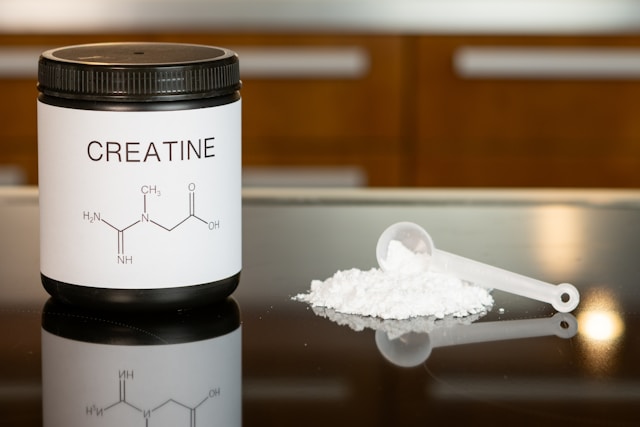
Creatine sits at the center of the brain’s phosphocreatine buffer system. The molecule accepts a phosphate group from ATP, becoming phosphocreatine; when ATP levels dip, phosphocreatine donates the phosphate back, restoring ATP rapidly. This cycle smooths out the peaks and troughs of energy demand, especially during bursts of neuronal firing (Essentials of Creatine, 2008). By increasing the pool of phosphocreatine, oral creatine supplementation can theoretically raise the ceiling of available energy without altering the underlying mitochondrial machinery.
Animal work supports the idea that a bolstered phosphocreatine pool improves performance on tasks that depend on the prefrontal cortex, and that chronic stress models show less depressive‑like behavior when creatine is added to the diet. Those findings have motivated human investigators to test whether the same metabolic boost can translate into mood benefits.
The randomized trial that put creatine to the test
In a double‑blind, placebo‑controlled study conducted earlier this year, researchers recruited adult women diagnosed with major depressive disorder (American Psychiatric Association, 2013). Participants continued their usual antidepressant regimen and were randomly assigned to receive either 5 g of creatine monohydrate daily or a matching placebo for eight weeks. The primary outcome was change on the Hamilton Depression Rating Scale, a clinician‑rated questionnaire that captures mood, sleep, appetite, and psychomotor agitation.
At the study’s conclusion, the creatine group showed a greater reduction in Hamilton scores than the placebo group. Roughly half of the women receiving creatine met criteria for remission—defined as a score below 7 on the scale—whereas about a quarter of the placebo group reached the same threshold (Empirical evidence for, 2019). The investigators reported that the improvement emerged early, with a noticeable divergence between groups after three weeks of supplementation.
Importantly, the trial excluded participants with renal disease or those taking medications known to interact with creatine metabolism. Baseline characteristics such as age, illness duration, and baseline severity were balanced across arms, reducing the chance that the observed difference stemmed from confounding variables.
How the effect size stacks up against standard antidepressants
When a new adjunct is evaluated, the natural question is whether its impact rivals that of established drugs. Head‑to‑head trials of selective serotonin reuptake inhibitors (SSRIs) and serotonin‑noradrenaline reuptake inhibitors (SNRIs) typically report mean Hamilton reductions of 7–10 points over six to eight weeks, with remission rates ranging from 30 % to 45 % in mixed‑sex samples. The creatine trial’s remission rate of 52 % sits at the upper end of that range, albeit in a sample limited to women and in addition to an existing antidepressant.
Because the study did not include a medication‑only arm, direct statistical comparison is impossible. Nonetheless, the magnitude of change appears comparable to what clinicians observe in routine practice when a patient responds well to a first‑line drug. The authors caution that larger, multi‑site trials are needed before claiming that creatine is on par with SSRIs; the current evidence points to a promising adjunct rather than a stand‑alone replacement.
Safety profile, dosing, and common concerns
Creatine is one of the most widely used dietary supplements, with a safety record that spans decades of athletic and clinical research. The most frequently reported side effects are mild gastrointestinal discomfort and, in rare cases, weight gain due to water retention in muscle tissue. Long‑term studies have not demonstrated clinically significant changes in liver enzymes or renal function in healthy adults (Creatine and the, 2016).
For depression, the dosage most often employed in trials is 5 g per day, taken with water or a carbohydrate‑rich beverage to enhance absorption. This amount aligns with the “creatine for depression dosage” that appears in patient‑focused forums, and it is well below the upper limits used in sports performance studies, which can reach 20 g per day for short periods.
Some readers wonder, “can creatine cause depression?” The answer is no; the metabolic action of creatine does not increase serotonin or dopamine turnover in a way that would provoke low mood. Instead, the supplement supplies extra phosphate capacity, which may help stabilize neuronal firing patterns. The notion that creatine is an antidepressant captures the public’s curiosity, but it is more accurate to describe it as a metabolic adjunct that can improve mood when paired with conventional treatment.
People with pre‑existing kidney disease should avoid high‑dose creatine without medical supervision, as the kidneys are responsible for excreting creatinine, the breakdown product of creatine. Routine blood work before and during supplementation can reassure both clinician and patient that renal function remains within normal limits.
Open questions and where research is headed
Several gaps remain before creatine can be recommended as a routine component of a creatine depression treatment protocol. First, the existing trial focused exclusively on women; sex differences in creatine metabolism and brain energy use suggest that men might respond differently. A systematic review of the literature notes mixed signals across animal studies, with some indicating stronger effects in females (Fares et al., 2026) and others showing no clear pattern. Future work must recruit balanced samples and explore whether hormonal status modulates response.
Second, the optimal duration of supplementation is unknown. The eight‑week window used in the recent study mirrors typical antidepressant trials, but it is unclear whether benefits continue, plateau, or even diminish with longer use. Longitudinal designs that follow participants for six months or more could clarify whether creatine supports sustained remission or simply accelerates early improvement.
Third, mechanistic biomarkers are needed. Phosphocreatine levels can be measured non‑invasively with magnetic resonance spectroscopy, offering a way to link peripheral supplementation to central energy changes. Correlating those measurements with symptom trajectories would strengthen the causal story and might help identify responders early.
Finally, safety in specific clinical contexts warrants attention. Patients taking lithium, diuretics, or certain antiepileptic drugs may experience altered fluid balance, which could interact with creatine’s osmotic effects. Controlled studies that stratify participants by medication class would provide guidance for clinicians navigating polypharmacy.
Until those questions are answered, the prudent course for clinicians is to view creatine as a potential adjunct for patients who have not achieved full remission with standard antidepressants and who have no contraindications to supplementation. Discussing the modest risk profile, the need for regular renal monitoring, and the current evidence base allows patients to make an informed choice about whether to try a creatine depression treatment strategy.
References
- (2013). Clinical risk of stigma and discrimination of mental illnesses: Need for objective assessment and quantification. Indian Journal of Psychiatry. https://doi.org/10.4103/0019-5545.111459
- (2019). Empirical evidence for definitions of episode, remission, recovery, relapse and recurrence in depression: a systematic review. Epidemiology and Psychiatric Sciences. https://doi.org/10.1017/S2045796018000227
- (2007). Psychotherapy and counselling for depression. Sage.
- American Psychiatric Association. (2013). Diagnostic and Statistical Manual of Mental Disorders, Fifth Edition (DSM-5). American Psychiatric Association.
- (2008). The link between childhood trauma and depression: insights from HPA axis studies in humans. Psychoneuroendocrinology. https://doi.org/10.1016/j.psyneuen.2008.03.008
- (2008). Essentials of Creatine in Sports and Health. Humana.
- (2016). Creatine and the Liver: Metabolism and Possible Interactions. Mini Reviews in Medicinal Chemistry. https://doi.org/10.2174/1389557515666150722102613
- (1928). The creatine-creatinine equilibrium. The apparent dissociation constants of creatine and creatinine. The Biochemical Journal. https://doi.org/10.1042/bj0220920
- Volek. (2008). Essentials of Creatine in Sports and Health. Humana.
- Folin. (1912). Protein metabolism from the standpoint of blood and tissue analysis. Journal of Biological Chemistry. https://doi.org/10.1016/S0021-9258(18)88723-3