












How Sports Fandom Affects Your Brain and Body
Introduction
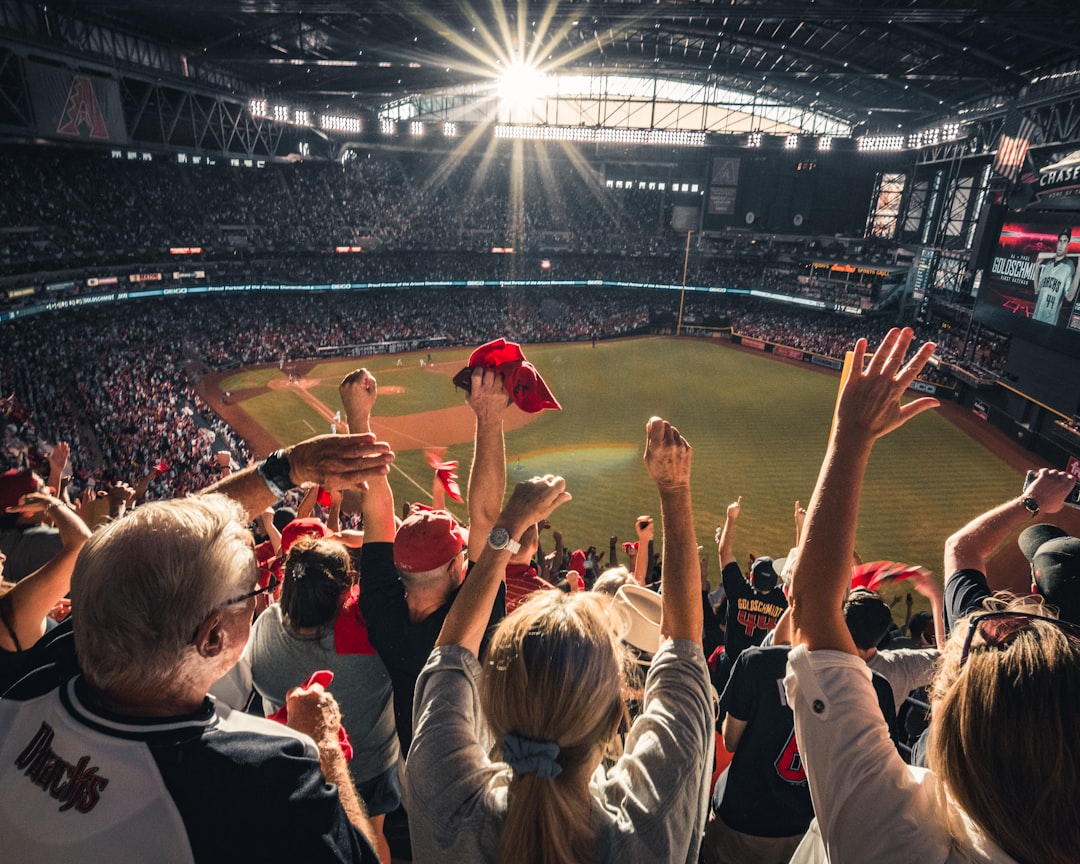
Imagine yourself surrounded by thousands of strangers, all cheering for the same team, feeling an intense sense of unity and belonging. This is the world of sports fandom, where the biology of fandom plays a significant role in shaping our experiences and connections with others. The biology of fandom is a fascinating field of study that reveals how live sports events can synchronize spectator heart rates and elevate oxytocin, also known as the 'love hormone.' This phenomenon is not only intriguing but also has significant implications for our understanding of human bonding and social connections. As we delve into the science behind sports fandom, we will explore how the biology of fandom affects our brain and body, and what this means for our relationships and well-being.
The Science
Research has shown that attending a live sporting event can have a profound impact on our physiology, particularly in terms of oxytocin levels and heart rate synchrony. A study published in Translational Psychiatry found that watching a college basketball game was associated with shifts in oxytocin, a hormone involved in social bonding, alongside synchronized heart rates across the crowd (Matsui et al., 2026). This study used a prospective observational field design to examine the effects of live sports spectating on endogenous oxytocin and heart rate synchrony, and how these processes relate to social bonding. The results showed that oxytocin levels were elevated in participants with low pregame levels and maintained in those with high pregame levels, while cortisol levels decreased and the oxytocin-to-cortisol ratio increased.
Another study published in Social Cognitive and Affective Neuroscience found that oxytocin enhances inter-brain synchrony during social coordination in male adults (Mu et al., 2016). This study used a real-time coordination game to examine the effects of oxytocin on inter-brain activity related to social coordination. The results showed that oxytocin increased the coherence of inter-brain activity between two individuals, suggesting that oxytocin plays a role in modulating social synchrony. Similarly, a study published in NeuroImage found that oxytocin selectively modulates brain response to stimuli probing social synchrony (Levy et al., 2016). These findings suggest that oxytocin is involved in the regulation of social bonding and synchrony, and that it may play a role in the biology of fandom.
The biology of fandom is also related to the concept of human bonding, which refers to the process of development of a close interpersonal relationship between two or more people. Human bonding is a mutual, interactive process that involves the formation of emotional connections between individuals (Bowlby, 1969). The biology of fandom can be seen as a form of human bonding, where individuals form connections with others through their shared experiences and emotions. This can be particularly evident in the context of sports fandom, where fans often form strong bonds with each other and with their team.
The concept of oxytocin is also closely related to the biology of fandom. Oxytocin is a peptide hormone and neuropeptide that is involved in social bonding, love, and reproduction (Kaye, 1982). It is often referred to as the 'love hormone' due to its role in promoting social connections and bonding. The release of oxytocin during social interactions, such as hugging or kissing, can stimulate feelings of warmth and closeness, and can even reduce stress and anxiety (Cesk, 2003). In the context of sports fandom, the release of oxytocin can contribute to the sense of unity and belonging that fans experience during live events.
Why It Matters
The biology of fandom has significant implications for our understanding of human relationships and social connections. The fact that live sports events can synchronize spectator heart rates and elevate oxytocin levels suggests that these events have the power to bring people together and create a sense of community. This can be particularly important in today's society, where people are often disconnected from each other and from their communities. The biology of fandom can also provide insights into the role of sports in promoting social bonding and cohesion, and can inform strategies for promoting social connections and community engagement.
The biology of fandom can also have implications for our mental health and well-being. The release of oxytocin during social interactions can have a positive impact on our mood and stress levels, and can even reduce symptoms of anxiety and depression (Wilson, 2001). Additionally, the sense of belonging and connection that fans experience during live events can contribute to a sense of purpose and meaning, and can even provide a sense of identity and self-esteem (Dixon, 2015). The biology of fandom can therefore provide a unique perspective on the importance of social connections and community engagement for our mental health and well-being.
The concept of sports fandom can also be related to the concept of biology fandom, which refers to the study of the biological basis of human behavior and social interactions. The biology of fandom can be seen as a form of biology fandom, where the focus is on the biological basis of human behavior and social interactions in the context of sports. This can provide a unique perspective on the role of biology in shaping our experiences and connections with others, and can inform strategies for promoting social connections and community engagement.
Practical Takeaway
So what can we take away from the biology of fandom? Here are a few concrete, actionable points that we can apply to our lives:
Firstly, attending live sports events can be a great way to connect with others and experience a sense of community. Whether it's a local soccer game or a major international tournament, live sports events have the power to bring people together and create a sense of belonging. By attending these events, we can experience the biology of fandom firsthand and connect with others who share our passions and interests.
Secondly, we can use the biology of fandom to inform our strategies for promoting social connections and community engagement. By understanding the role of oxytocin and heart rate synchrony in social bonding, we can develop new approaches to promoting social connections and community engagement. For example, we can use oxytocin-releasing activities, such as hugging or kissing, to stimulate feelings of warmth and closeness, and promote social bonding.
Thirdly, we can apply the biology of fandom to our personal relationships and social interactions. By understanding the role of oxytocin and heart rate synchrony in social bonding, we can develop new approaches to building and maintaining relationships. For example, we can use oxytocin-releasing activities, such as shared physical touch or social interaction, to stimulate feelings of warmth and closeness, and promote social bonding.
Closing
In conclusion, the biology of fandom is a fascinating field of study that reveals how live sports events can synchronize spectator heart rates and elevate oxytocin levels. The biology of fandom has significant implications for our understanding of human relationships and social connections, and can inform strategies for promoting social connections and community engagement. By attending live sports events, using oxytocin-releasing activities, and applying the biology of fandom to our personal relationships and social interactions, we can experience the power of the biology of fandom and connect with others in meaningful ways. As we continue to explore the biology of fandom, we may uncover even more insights into the complex and multifaceted nature of human social connections, and develop new approaches to promoting social bonding and community engagement.
References
- Mu. (2016). Oxytocin enhances inter-brain synchrony during social coordination in male adults.. Social Cognitive and Affective Neuroscience. https://doi.org/10.1093/SCAN/NSW106
- Levy. (2016). Oxytocin selectively modulates brain response to stimuli probing social synchrony. NeuroImage. https://doi.org/10.1016/j.neuroimage.2015.09.066
- Marzoratti. (2023). Epigenetic modification of the oxytocin receptor gene is associated with child-parent neural synchrony during competition. Developmental Cognitive Neuroscience. https://doi.org/10.1016/j.dcn.2023.101302
- Matsui. (2026). Endogenous oxytocin-linked heart rate synchrony for social connection in live sports spectators. bioRxiv. https://doi.org/10.1101/2025.09.15.676321
- Matsui. (2026). Endogenous oxytocin-linked heart-rate synchrony and social connection during live sports spectatorship.. Translational Psychiatry. https://doi.org/10.1038/s41398-026-04265-2
- (2012). Intranasal oxytocin administration is reflected in human saliva. Psychoneuroendocrinology. https://doi.org/10.1016/j.psyneuen.2012.02.014
- (2012). Salivary levels of oxytocin remain elevated for more than two hours after intranasal oxytocin administration. Neuro Endocrinology Letters.
- (2015). Gray's Anatomy: The Anatomical Basis of Clinical Practice. Elsevier Health Sciences.
- (2022). Oxytocin's dynamic role across the lifespan. Aging Brain. https://doi.org/10.1016/j.nbas.2021.100028
- (2021). Oxytocin: A citation network analysis of 10 000 papers. Journal of Neuroendocrinology. https://doi.org/10.1111/jne.13014
- Bowlby, John. (1969). Attachment and Loss. Basic Books.
- Bowlby, John. (1990). The Making and Breaking of Affectional Bonds. Routledge.
- Wilson, Glenn. (2001). The Science of Love. Fusion Press.
- Cesk. (2003). Breastfeeding, bonding, and the mother-infant relationship. Merrill-Palmer Quarterly.
- Kaye. (1982). The Mental and Social Life of Babies. Univ. Chicago Press.
- Dixon. (2015). Sport and Society: A Student Introduction. SAGE.
- Dixon. (2022). The Oxford Handbook of Sport and Society. Oxford University Press.
- Ruihley. (2022). Fandom in the Realm of Fantasy Sport. Taylor & Francis. https://doi.org/10.4324/9780429342189-29
- Brown. (2018). Intersections of Fandom in the Age of Interactive Media: eSports Fandom as a Predictor of Traditional Sport Fandom. Communication & Sport. https://doi.org/10.1177/2167479517727286
- Sturm. (2020). Fans as e-participants? Utopia/dystopia visions for the future of digital sport fandom. Convergence. https://doi.org/10.1177/1354856520907096
Paper data via Semantic Scholar.